Volunteer Capital Centre (VCC)

Welcome to the Volunteer Capital Centre
http://www.volunteercapitalcentre.org

Wednesday, May 29, 2013

Volunteering Abroad and Your Information


There is a lot about volunteering people don’t know or rather assume they know. For anyone who is interested in participating and helping people who are abroad there are a couple of titbits that they should know. Many volunteers would like to go abroad and when they start planning they find themselves hugely disappointed. As they assumed or had different views to what volunteering abroad really entails. This article is to shed a little light about volunteering abroad and some information that you should know before embarking to do it. Although, there is a lot that one should know; here are the most important things to know:

What every volunteer would like to know is the cost of volunteering. There are certain things that are fixed while others vary depending on the options that you have. The costs that you can’t avoid as you are volunteering abroad are Visa fees, airplane tickets; and vaccination. Other costs vary as it depends how you are volunteering abroad i.e. either through an organization or you are doing it independently. If you decide to go to through an organization the fees are also divided into two, as there are some that cater for all your upkeep abroad and you won't pay anything extra; while there are others that would require you to pay them to volunteer abroad. The things that you pay for are accommodation; meals; transportation to and fro the volunteer project. If you are going through an organization it’s important to know what you are paying for.

Your safety comes on top of the list. Many people think that going to a third world country is not safe. There are certain dispositions that make people think of how unsafe a certain country is due to the news they have watched. Most countries are very safe and if one is involved in a volunteer program their safety is doubly ensured as the volunteers are normally placed in safe environments. If the volunteer is going to work in poorer parts of the city, most programs have measures in place to make sure the volunteer is safe while they work. In most cases there is usually a member of staff assigned to the volunteer to ensure safety and general wellbeing of the volunteers. In addition, you as a volunteer should try to keep yourself safe by: avoiding risky situations; not carrying expensive jewellery; avoid walking alone in the night; and following your instincts.

Another thing that a first time volunteer should consider is the vaccinations that they would require for the trip. Some countries do not allow visitors in if they don’t have proof of vaccination. When choosing which vaccination to get one should consider the following: the country(s) you are visiting; date of travel; where you will be staying; what you will be doing during your stay; length of visit; and prevalence of certain diseases. All this information can be gotten by a visit to your general practitioner or nurse and they will tell what you should take before you leave for the desired country. There are common diseases in which you should be vaccinated against i.e. Hepatitis, tetanus, yellow fever, typhoid and cholera. One should also be aware of certain epidemics like flus and try to avoid them.

Monday, May 13, 2013

Volunteering Abroad And Your Career


Volunteering essential is an altruistic endeavour where by you as the volunteer help out people by giving out your time as well as your skills towards a common goal. This works well as that is the main purpose of volunteering. Although there are also hidden benefits where by you will benefit from volunteering, especially if you choose to go abroad and do it there. There are advantages of volunteering abroad are exploring new places, learning new cultures, travel; and many others. In addition to these there are benefits that help you and your career, these are:

If you are in high school or you an undergraduate volunteering abroad gives a better chance to getting into colleges, universities and graduate schools. Many universities and colleges get many applicants who would like to enrol in their institutions. With all the applications that are sent to them, they are usually swamped with too many of them. This makes choosing students to enrol in their school to be difficult. As such they look for something extra the applicants have or have done to make them a worthy candidate. The students who have volunteered abroad are usually picked over those ones who haven’t, having one foot inside the door. This also applies to guys who are looking for a job. Many multinationals and fortune 5000 companies prefer hiring someone who has worldwide experience.

Volunteering abroad gives you as the volunteer actual working experience that could be applied in your job. Volunteering sometimes involves working in an office or in certain fields that the volunteer is able to learn and apply practical experience they had learned either in class or in lecture halls. Volunteer work prepares you for life in the corporate world. It also provides you with extensive training in a certain field. This work experience is rewarded by some universities by them giving academic credits to volunteers.

In addition, volunteering abroad can provide a job to you. There have situations where volunteers have gone abroad to work in various charities and they have proved to be such a great asset that they are hired to be part of the permanent staff. Many not for profit organizations are looking for people who could work for them and provide great service to them. When you volunteer for them they see you as someone of value and since you already know how they work they can choose to hire you. They would avoid the extra expense of advertising and holding interviews if they have people who are already working for them on a voluntary basis.

Networking is an added benefit to volunteering abroad. The volunteer would be able to form friendships from different parts of the world and this can be a useful asset. These friends are a great resource especially when they are recommending them for you for a job position available in their home countries. Friendships formed while abroad are great as they could be used on a professional basis and they help especially in making business deals and agreements.

There are other more benefits out there for volunteering abroad, while it helps people it can also used as a means of improving the volunteers’ personal and professional lives.


Friday, May 3, 2013

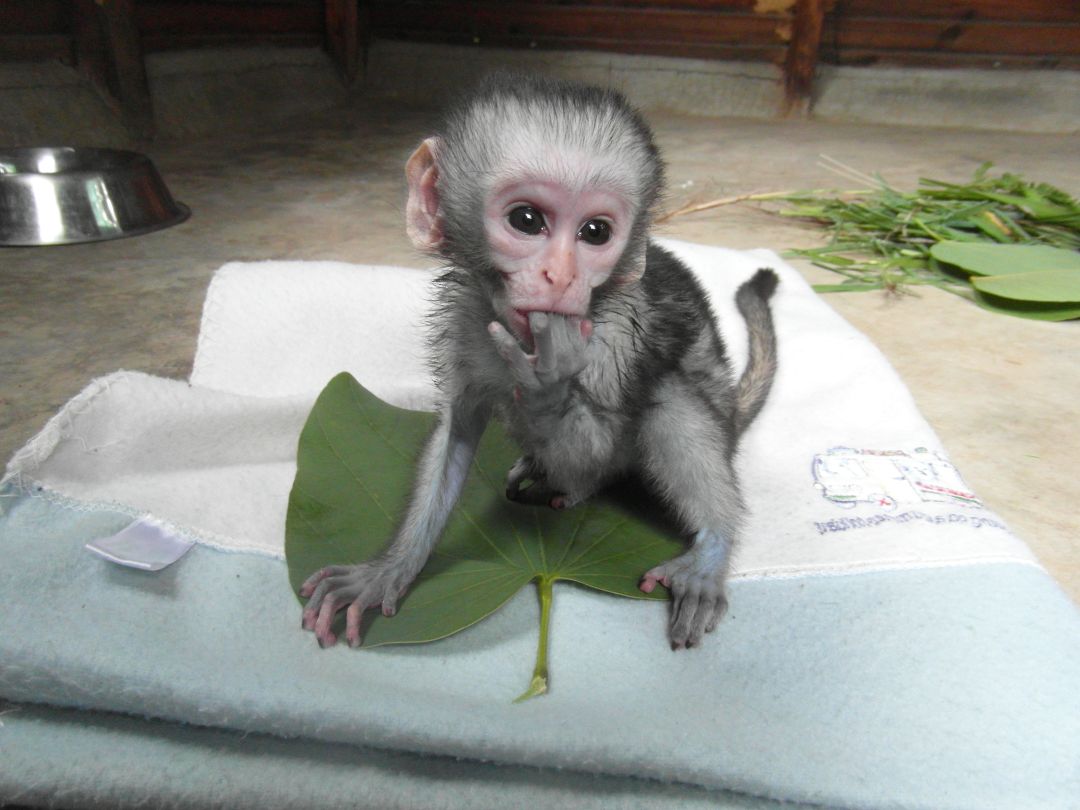
The Vervet monkey


 The term "Vervet" is also used to refer to all the members of the genus Chlorocebus. The five distinct subspecies can be found mostly throughout Southern Africa, as well as some of the eastern countries. Vervets were transported to the islands of Barbados, Saint Kitts, and Nevis in conjunction with the African slave trade. These mostly vegetarian monkeys have black faces and grey body hair colour, ranging in length from about 19 in (50 cm) for males to about 16 in (40 cm) for females.
In addition to very interesting behavioural research on natural populations, Vervet monkeys serve as a nonhuman primate model for understanding genetic and social behaviours of humans. They have been noted for having human-like characteristics, such as hypertension, anxiety, and social and dependent alcohol use. Vervets live in social groups ranging from 10–50 individuals, with males changing groups at the time of sexual maturity. The most significant studies done on Vervet monkeys involve their communication and alarm calls, specifically in regard to kin and group recognition and particular predator sightings.

Physical description 
The Vervet monkey has a black face with a white fringe of hair, while the overall hair colour is mostly grizzled-grey. The adult male of all species has a pale blue scrotum and a red penis. The species exhibits sexual dimorphism; the males are larger in weight and body length. Adult males weigh between 3.9 and 8.0 kg (8.6 and 18 lb.), averaging 5.5 kg (12 lb.), and have a body length between 420 and 600 mm (17 and 24 in), averaging 490 mm (19 in) from the top of the head to the base of the tail. Adult females weigh between 3.4 and 5.3 kg (7.5 and 12 lb.) and average 4.1 kg (9.0 lb.), and measure between 300 and 495 mm (12 and 19.5 in), averaging 426 mm (16.8 in)

Behaviour
When males reach sexual maturity, they move to a neighbouring group. Often, males will move with a brother or peer, presumably for protection against aggression by males and females of the resident group. Groups that had previously transferred males show significantly less aggression upon the arrival of another male. In almost every case, males migrate to adjacent groups. This obviously increases benefits in regard to distance travelled, but also reduces the amount of genetic variance, increasing the likelihood of inbreeding.
Females remain in their groups throughout life. Separate dominance hierarchies are found for each sex. Male hierarchies are determined by age, tenure in the group, fighting abilities, and allies, while female hierarchies are dependent on maternal social status. A large proportion of interactions occur between individuals which are similarly ranked and closely related. Between unrelated individuals, there is female competition for grooming members of high-ranking families, presumably to gain more access to resources. These observations suggest individual recognition is possible and enables discrimination of genetic relatedness and social status. Interactions between different groups are variable, ranging from highly aggressive to friendly. Furthermore, individuals seem to be able to recognize cross-group vocalizations, and identify from and to which monkey each call is intended, even if the call is made by a sub adult male which is likely to transfer groups. This suggests the members within a group are actively monitoring the activity of other groups, including the movement of individuals within a group.
Within groups, aggression is directed primarily at individuals that are lower on the hierarchy. Once an individual is three years or older, it is considerably more likely to be involved in conflict. Conflict often arises when one group member shows aggression toward a close relative of another. Further, both males and females may redirect aggression towards individuals in which both had close relatives that were previously involved in a conflict. This suggests complex recognition not only of individuals, but also of associations between individuals. This does not suggest recognition of other's individual kinship bonds is possible, but rather that discrimination of social relationships does occur.


 Alarm Calls
Vervet monkeys have four confirmed predators: leopards, eagles, pythons, and baboons. The sighting of each predator elicits an acoustically distinct alarm call. In experimentation with unreliable signallers, individuals became habituated to incorrect calls from a specific individual. Though the response was lessened for a specific predator, if an unreliable individual gives an alarm call for a different predator, group members respond as if the alarm caller is, in fact, reliable. This suggests Vervet monkeys are able to recognize and to respond to not only the individual calling, but also to the semantics of what the individual is communicating.
Mothers can recognize their offspring by a scream alone. A juvenile scream will elicit a reaction from all mothers, yet the juvenile's own mother had a shorter latency in looking in the direction of the scream, as well as an increased duration in her look. Further, mothers have been observed to help their offspring in conflict, yet rarely aided other juveniles. Other mothers evidently can determine to which mother the offspring belongs. Individuals have been observed to look towards the mother whose offspring is creating the scream.

Kin Relationships
Siblings likely provide the prevailing social relationships during development. Within social groups, mother-offspring and sibling interactive units are distinct groups. The sibling interaction are heavily supportive and friendly, but do have some competition. Contests primarily involve post weaning resource allocation by the common mother. For example, siblings have conflict over grooming time allocated by their mother. Offspring are usually not born in extremely close proximity due to the interbirth period of the mother. This time can be reduced by use of an allomother. The clarity of the familial and sibships within a group may act as a form of alliance, which would come at relatively

Monday, April 15, 2013

Deciding to volunteer abroad


Volunteering abroad is an amazing thing to do. Many people want to get up from their home countries to volunteer abroad, not ignoring the people who need help at home but to extend the reach of their services. It’s really an exciting experience for those who to do it as the rewards are amazing. Like everything else in life it is not easy to volunteer abroad because as soon as you decide to do it there is a barrage of information that you are supposed to go through. Also there are pitfalls that one tries to avoid in order to have a pleasurable experience. There are a couple of things that one should look into before they volunteer abroad:

Location is really important as it determines many other factors about volunteering abroad. Picking the right location is also the most difficult as it seems everywhere in the world needs help and the volunteers don’t have enough money to go to all the locations. As such one should look into places where they need most help as well as somewhere they have always wanted to visit. This way apart from helping out they can also fulfil their desire to travel.

There are many volunteers who are touched by a certain cause and would like to be a part of the change while there are others who are not sure where to put their efforts in. the volunteer should soul search in the case they don’t know what they want to do. Also the volunteer project matters a lot as you would want to make sure the program that you are involved in makes a difference in the lives of the local community. Many volunteers sometimes feel that they didn’t put their best effort and time into the program.  In the end they regret why they went abroad. Deciding on what to do should complement the volunteers’ skills or add to it.

When to go abroad is also a deciding factor, many volunteers who are in school, college or University choose to go in the summer as they have 3 months free. There are some who opt for the shorter periods during winter and summer break to travel abroad. Choosing the best time depends on the volunteers’ free time, although one should also consider the time at the volunteer location. The volunteer wouldn’t want to leave home when its summer to find themselves freezing in the winter in places like South Africa. In addition they should try and avoid months when it is heavily raining, monsoon seasons and lastly hurricane seasons. It is sometimes overlooked but in the end it’s a big factor when volunteering abroad.

Lastly choosing a volunteer abroad organization to go with. They are thousands if not hundreds of thousands of volunteer programs which are all over the world and they all provide volunteer abroad programs. When choosing a volunteer organization there are many factors that should be considered, e.g. services offered, costs and the work they do. There are many mainstream organizations that can be found easily on page one of google but they are the ones which are usually the priciest. If the volunteer is on a limited budget they should avoid these ones and take time to research for other affordable organizations which provide the same services.


Wednesday, March 20, 2013

Convincing Parents to Volunteer Abroad


Volunteering abroad is a full adventure by itself, there is a lot to do and see while abroad. Many teenagers and young adults are the ones who form the bulk of the proportion of people who would like to volunteer abroad. Unfortunately most of them are dependent on their parents for not only financial situations as well morale support. As such when they would like to take a trip abroad they have to get their parents’ permission to do it. Sadly to say many of the potential volunteers do not go abroad because they fail to convince their parents to let them go. Their parents are justified to say no for a number of reasons like safety, price and stability. However, the potential volunteers can change their parents’ minds to let them go by presenting a well formed argument with facts. Parents are genuinely concerned about their children and want the best for them. If they are shown the potential benefits of volunteering abroad outweighs the problems then they will allow it. Here are some reasons potential volunteers could use to convince their parents.
Involving parents from the beginning of the planning process helps a lot as they will feel as they have more control and knowledge of what is going on. In the planning process they will find out about the risks involved, the amount of money that would be needed as well as the benefits of the program. Planning from day one helps because they will not act surprised on the request and will prevent them from giving weak excuses as to why it’s not possible for a volunteer abroad trip. Planning in advance with them also helps to put them in the psychological frame of mind knowing that after a certain period their child would be travelling abroad.
Another way of changing their parent’s minds is through showing an appropriate budget. One of the concerns for parents is that are they able to afford a volunteer abroad trip. As money is need for flight fare, volunteer fees, vaccinations, insurance as well as other items. When the parents see how much is needed they are able to see whether the volunteer program is feasible or not. If it’s too expensive it’s not possible and if it’s too cheap then questions are asked. Also to help in the budget the volunteers can fundraise or get jobs to help pay for the trip. This also eases the burden of the whole program on the parents. If the volunteer has some money the parents will see that he or she is committed to the program and wants to make it happen.
Lastly explaining the importance of volunteering abroad will help change their parent’s minds. There are so many benefits to volunteering abroad other than touring, and helping to the volunteer. One of them are the volunteers matures as they get to see how people in the world are living and become a better person; another advantage is that it looks really good on resume when applying for jobs or schools. This sets them apart from other job seekers who are already out there. Many parents may seem obstinate in the beginning but explaining to them on how volunteering abroad is possible and the benefits that arises from it will help change their minds.

Paying to Volunteer Abroad

Many volunteers grapple with paying to volunteer abroad. They find it hard to understand “if am giving up my time and my energy they should be able to volunteer for free.” The feeling is more aggravated when some volunteer give up their time to make money at work while at the same time they have to folk out more money. Volunteering in essence should be free on such a basis, as the skills the volunteer provide are a great asset to the organization in which they are working in. This should be true more so for people who are volunteering locally. This is mainly because most of the costs involved in international volunteering are covered in advertently by the volunteers themselves e.g. accommodation, food, and support. When one wants to volunteer overseas the dynamics change as there are some costs that volunteer didn’t think of that have to be covered. Unfortunately the organizations in which the volunteers should be working are not able to cover these costs because they don’t have the resources to do so. If they had the resources, they would use the resources to hire local staff to do the work. In order to get volunteers many small organizations partner with multinationals organizations to provide them with volunteers. These multinational volunteer abroad organisations normally charge fees not as commission but to ensure the volunteers are well taken care of during the duration of their stay. As a volunteer who is going abroad these are the things one would be paying for when they leave:
Accommodation and food comes on the list first as this is the most important. A good place to stay puts the volunteers mind at peace as they would they know they will be a foreigner and they would be safe. Many of the volunteer homes are situated in a safe and secure home where there are no threats to the safety of the volunteers. In most cases the money paid goes to covering meals as well although one would not get a five star meal but the volunteer would get food that is suitable for him or her. Most volunteer programs provide 2 or 3 meals for the day and they consider the volunteers dietary concerns.
The biggest chunk of the fees paid is hardly ever seen by the volunteer. This is great because the money goes to emergency procedures. Most volunteers want to have a stress free program while they are working. Unfortunately this doesn’t happen all the time and there are some rare cases where they might be some issues. Issues like the volunteer falling sick, or violence might erupt due to political violence or a natural disaster leading to the volunteer to be evacuated from the host country immediately. The main reason to pay for volunteering is to make sure the volunteer’s wellbeing is taken care of during the program.
One other thing that many volunteers who are reluctant to pay is the amount of research that goes into volunteering. There are many organizations that run programs in the world but many of them are ill equipped and are not efficient, the volunteer might go to a country and find that there is no need for the work that she or he is doing. They might find that they are wasting their time there and being involved in programs that have little impact on the society they are working in.

For more information visit http://www.volunteercapitalcentre.org 

Volunteering Abroad And Airports

Travelling is a lot of fun especially for people who are really into it. There is so much out there that we should see and the thought is exciting. One could choose to visit the Terracotta in Asia, the pyramids in Egypt and a whole lot more. Some travellers combine volunteering with their touring to make more meaning of their journey to see the sites and experience life as a local. With all the travelling that needs to be done, there are certain aspects of it that are not positive. One of the negative aspects are losing your stuff, being lost and waiting at airports. When of the downsides of travelling is queuing at the airports. After a long international flight one thing that many people do not look forward to is waiting in line to be processed. Although there are proactive ways to make to avid the long queues at the airport, here are some of them,
One useful trick is to sit on near the front of the plane. This also includes when one is departing they should be at the airport early in order to get the seats that are nearest to the door. Some people pick different sits for different purposes but choosing a sit at the front means you get to leave the plane first and also be the first one on the immigration queue. The other benefits means collecting luggage is much easier with far less confusion. As one is planning to volunteer abroad for a few weeks or days, one should try to just have hand luggage. The benefits to this is one would have all their possessions with him or her at all times. Meaning one doesn’t have to wait for their luggage to come by at the and also if immigration wants to search your luggage it’s easier for both parties.
One of the ways to avoid long queues is choosing to land at a less busy airport. Airports like Heathrow airport or John F Kennedy airport have many visitors through them and they are bound to have long queues as soon as you arrival. To avoid wasting time on the lines, or cutting your time in half is by choosing to land in an airport that is less buy while at the same time not too far away from your destination. All this can be done before leaving home while you are choosing where you are going to fly to. The smaller airports come in handy as it is much more convenient and there is a less likelihood of losing your luggage due to fewer travellers. Smaller airports come in handy especially when one has to connect with another plane because there won't be another long queue. The only drawback is that they are not as lavish as the larger compatriots.
Lastly dealing with immigration is much easier if one is cooperative. If one is asked any questions they should answer calmly and truthfully. There are some countries that require the travellers to fill out a form, like I-94 for the USA, they should have it done by the time they are at the immigration offices. Also while at the airport, the travellers should look at the signs or ask for directions to know where they are meant to be. There is nothing as bad as queuing in the wrong lines. Lastly, if the travellers should confirm everything that they are told by the immigration officers or the details that they are provided to prevent any problems when they are leaving the country.

For more information on volunteering abroad visit http://www.voluntercapitalcentre.org

Monday, March 26, 2012

Volunteer in Kenya


At 580,367 km2 (224,081 sq mi), Kenya is the world's forty-seventh largest country (after Madagascar). From the coast on the Indian Ocean the Low plains rise to central highlands. The highlands are bisected by the Great Rift Valley; a fertile plateau in the east. The Kenyan Highlands comprise one of the most successful agricultural production regions in Africa. The highlands are the site of the highest point in Kenya (and the second highest in Africa): Mount Kenya, which reaches 5,199 m (17,057 ft) and is also the site of glaciers. Climate varies from tropical along the coast to arid in the interior. Kenya is found in East Africa. Mount Kilimanjaro (5,895 m/19,341 ft) can be seen from Kenya to the South of the Tanzanian border.

Kenya has a tropical climate. It is hot and humid at the coast, temperate inland and very dry in the north and northeast parts of the country. There is however a lot of rain between March and May, and moderate rain in October and November. The temperature remains high throughout these months.

The country receives a great deal of sunshine all the year round and summer clothes are worn throughout the year. However, it is usually cool at night and early in the morning. The hottest period is from February to March and coldest in July to August.

Kenya has considerable land area of wildlife habitat, including the Masai Mara, where Blue Wildebeest and other participate in a large scale annual migration. Up to 250,000 blue wildebeest perish each year in the long and arduous movement to find forage in the dry season

Tuesday, March 13, 2012

HIV/Aids In Africa; How It Affects Society At Large

HIV/Aids has been an epidemic that has cost the lives of millions of Africans over a number of decades now. At first it infected and killed many Africans as a result of ignorance leading to irresponsible sexual behaviour, as a result of lack of information about the disease. This has since changed and many African governments have brought about great awareness to its people regarding this deadly virus, some have gone to the extent of declaring the virus a national disaster, and including the HIV/Aids studies in their school curriculums. All this was in an effort to educate their people on the diseases and at the same time have them informed on how to keep themselves protected from the virus. This information has led to reduced stigma directed to those members of society who are known to be suffering from the disease. However HIV/Aids still has some effects on the society, more so in Africa.
One of the more visible effects of the disease is the number of orphans it has left behind; being that it is a sexually transmitted disease. Africa has a very high number of infant orphans, some of whom were too young to even remember their parents by the time they passed on. These children end up in homes or the streets. Those who are a bit lucky get a family member who is willing to take care of them. Some of these children end up living a hard life having experienced stigma from abuse by other members of society, and in the long run it affects who they become when they grow up, if they manage to make it out of the street.
HIV/Aids causes many families affected by it through a family member getting infected to have to live in poverty. This is because it is a disease which Is expensive to manage. Those affected have multiple drugs that they need to take in order to have a semblance of an ordinary life. These drugs take a toll on the family finances, as a lot of sacrifices have to be made in order for the family to meet these costs. It becomes even more expensive if more than one family member gets infected.
As much as social stigma towards the disease has reduced due to more people getting educated on the disease, such stigma still exists, especially in the rural areas. Those infected with the disease in such areas are considered as immoral members of society; they are thus made outcasts and in some cases avoided at all cost by the other member s of society. Such stigma keeps those infected by the disease from living a normal life even though they may be managing the disease quite well and seem healthy. It gets worse when one cannot find a job or travel visa because he/she suffers from this condition. It leaves them in despair and depressed.
HIV/Aids has been a world-wide epidemic to this day, however those in Africa are the ones feeling its effect the most at this point, even though most European countries are receiving less cases of the condition. Volunteers are a big part of the progress that has been made so far towards awareness and prevention of the disease. They do this by travelling and organising workshops in interior parts of Africa and places most affected with the disease. Africa has to thank the volunteers from all over the world who come to help reduce the burden brought about by this epidemic. All you need to do is help/touch one life and you may have saved a generation

Sunday, January 15, 2012

Things To Do in 2012


So it is a new year, filled with opportunities for most. By the time 2011 came to an end most people made resolutions some are achievable while others we may just not get around to. Well for those who enjoy travelling and have made resolutions around travel and volunteer work then this year holds a lot of awesome destinations for you to consider. You can also consider these as potential resolutions if you had not made any yet.
First thing first, let’s give back, make a volunteer abroad trip and help a community do something that will empower theme and future generations to come, this can be as simple as helping build toilets in a place where there are none and might be a water catchment area, build a school in a rural part of the world, help provide and deliver sanitary pads to female students who have to miss a good part of their academic year because they cannot go to school during their periods. All these can be achieved, all you need is to get in touch with a volunteer organisation such as VCC ORG, and have the arrangements made.
If you are more of a sports fan then you are in for a treat this year. First off we have The African Cup of Nations scheduled for early this year that is in January. The event will be co-hosted by Gabon and Equatorial Guinea. Nigeria is also a stand by host in case any of these two nations is not a suitable one.
In June 2012 we have the UEFA European Football Championship. The tournament will be hosted by Poland and Ukraine. There are a total of 16 teams which are going to participate in this tournament, making a trip to witness this tournament can act as a good resolution, especially for sport lovers
If those are not enough, then from the 27th of July to the 12th of august we will have the summer Olympics to be held in London. This is the event for the all-round sports lover. London becomes the first city to host the games a record three times. This will also offer you a chance to visit some of the more famous stadiums in London, including Wembley and the O2 stadium.
For those that are lovers of the democratic process then you can get yourself to witness the 2012 US general elections. Get to watch the voting process and be a part of the euphoric energy that is displayed by the voters also be a part of the tense moments experienced while tallying is being done, and finally be part of the celebrations when the results are announced.
All these events, excluding the volunteer work will be witnessed by the whole world, but most people will not get the first-hand experience that you will receive when you travel to these destinations personally. So just to recap; give back, as part of your new year’s resolution. Once this is done then join the world in having some fun, and make 2012 a memorable and worthwhile year for yourself

Friday, January 6, 2012

Volunteer abroad Airport delays


If you are a constant traveller or even just as a one-time thing, then you might have experienced airport delays or plane delays at one point while you were travelling. The reasons for these delays are several; they could be mechanical issues, bad weather, emergency situations etc. When such a situation arises you may not know what to do with the time on your hands. Here is a list of activities that may come in handy if in case you find yourself in such a situation.
Eat/ drink
Airports all over the world have restaurants and pubs where one can pass some time while awaiting their flights. What you eat or drink may be dictated by the hour of the day, like for instance you may not have some scotch at 10:00 am in the morning, at your departure point, even though your estimated arrival time at your destination it will be midnight. Having a snack before you get on board your plane will pass some time without you even necessarily noticing it.
Browse the bookstore and magazine stands
You may have carried with you a book or two for the flight, but you will find that there are a few choice books at the bookstores that may interest you to add onto your collection. If books are not your thing then you have several magazine stands where you can get the latest magazines to either look through or purchase.
Sleep
Time always moves faster while you sleep, this will also help you feel rested and rejuvenated by the time you are getting on the plane. While sleeping at the airport, just make sure you’re your luggage is safe or somebody is watching over you and your belongings.
Work / Surf the net
Most airports have Wi-Fi; some of them even offer it free of charge. You can pass some time by getting any work that you have with you or that you have pending done. If you have no work, then you can pass time by simply surfing the web. Do some research on your volunteer destination, or the organisation you are going to work with during your volunteer work, chat with friends, the delay will be over before you know it.
Take a walk/ stretch your legs
In the event of a layover then your legs might be feeling a bit crumped from sitting in the plane the same situation can also be experienced from waiting too long in one spot for news of your planes departure. In such cases just take a walk around the airport, this will provide you with some exercise as well as help you pass some time just be careful not to walk too far away from your terminal
Network
Meet with your fellow travellers and start up conversation, you already have a good conversation opening in that your flight has been delayed, you might even find others who are distressed same as you that their schedule has been messed. You get to enhance your social skills while at the same time meeting new people and buying some time before your flight is ready to leave.
Other fun options
There are several other things you can do while waiting for your flight, one of them is taking photos of things you find interesting around the airport, you can also do some people watching in busy airports, where you watch passers-by from different places around the world. Other than this you can plane watch if you are airplane enthusiast. You can also shop at the duty free or depending on the airport you are in, have a spa treatment shower or gamble. In the long run you pass the time and feel less frustrated, with these activities to help you

Wednesday, November 23, 2011

Volunteering abroad and Universities


Many students want to volunteer or intern and travel abroad. They would like to take up their sense of adventure and visit different parts of the world. The main problem is that most students are either in college, university, high school or are about to join the said institutions. Being in the higher learning institutions means they don’t have much time left to leave the country. Also during their holidays they don’t have the money to travel the world. Most students opt to take a gap year so that they have time to travel and see the world. Unfortunately not everyone has that luxury to take a year off school for adventure seeking. They are normally limited by time and if they are to take a year off this would have negative effects on their academic studies.

There are many higher learning institutions that encourage their students to travel abroad. The institutions know that learning is not only done on campus grounds and more realistic life skills are gotten outside class rooms and lecture theatres. They have setup their own abroad programs where their students have the opportunities to study with their partner universities for a semester or two. They have partnered with various institutions in different parts of the world that have the same course work with theirs to allow students to participate in study abroad programs. Although, there are some institutions that don’t have any study abroad programs and in this case students are allowed to look for abroad opportunities by themselves. One way students do this is by being a volunteer abroad and they could earn an academic credit for it. As such they can do their volunteer work, travel and continue with their education.

As stated earlier not all schools have a study abroad, or an elective abroad program and the students who are interested in doing this should contact their faculty heads to know how to go about it. If the faculty advisers are agreeable, they would want to know which organization the student is planning to volunteer with. The faculty would require to know the history, mission and objectives of the organization. More importantly they would need to know about the program the student is involving themselves in. The program should be relevant to the course requirements and it should be a service learning project that will help achieve academic and career goals. The students should also emphasize the benefits of studying abroad to ensure they are allowed to do so. When the faculty advisor agrees the student should work with him/ her to come up with learning objectives, and a course proposal; how to keep contact with the student throughout the project in order to guide and evaluate progress; finally, how to award the grade and credit for the project.

Medical students benefit tremendously from volunteer medical programs. Although there is much to be studied in books, there are some diseases that do not occur in that particular area and as such the students are better placed in learning abroad. For example medical students in temperate areas, will learn a lot if they go and volunteer in tropical areas as they will get first had experience in tropical diseases. Lastly, research students are also likely to benefit from volunteer abroad programs. As this will give them the opportunity to collect data first hand and see the results of their research. They should also confer with their faculty advisors to make sure everything is above board. Care should be taken when engaging organizations to organize volunteer work, interning abroad and research as some of them are not legitimate.

Tuesday, November 15, 2011

Volunteer abroad testimonials


Jeanette Weisflog USA, - Kenya


"Although my time in Nairobi was short lived in that I was only there for one week, VCC made it possible for me to have one of the most amazing, challenging and rewarding experiences of my life.
The VCC team was absolutely reliable and I was able to volunteer at a local orphanage during my week of stay. The logistics and planning was taken care of to the fullest extent and the Nairobi director Zaby and I spoke on a daily basis about how my days at the orphanage had went! I would definitely recommend this organization to others who may be searching for a volunteer experience in Kenya, but are unsure about which NGO to go through to organize it! Thank you VCC.- Jeanette"


Kelly Scottland – Kenya

"I had an absolutely fantastic time in Nairobi. It is some "unlife like" place i dream about virtually every day. It has shaped my values and beliefs and turned me into a more assertive person. I have developed stronger views on trivial everyday things that I didn’t give much thought before the trip. I also feel that, because Kenya is the furthest I’ve been on a plane, the world has opened up for me, and anywhere seems accessible in the future. "

Mike UK – Kenya

There are many things that I can take back from my experience in Kenya. I have never had a job where I felt more appreciated than while I worked. Kenyans themselves are fiercely proud of their culture and history, with their own unique language, food, calendar, time, and holidays. The people also show a great deal of respect and camaraderie with one another. It has been a pleasure immersing myself in Ethiopian culture, (especially over round after round of delicious coffee!) and I am looking forward to seeing all my new friends very soon.

Mrs Jones, Kevin Jones' mother (Kenya Volunteer)

“Many thanks for your assistance in making this a smooth process. It is always a worry …more so for us as parents than for Kevin himself!! And you have always answered our queries quickly and efficiently”.

Laura Buck (USA) Nairobi, Kenya
Laura is back from Nairobi. She had a fantastic time. This trip turned out better than I had ever hoped for. We can't thank you enough for all your help. What a great organization Volunteer Capital Centre is! The orphanage wrote a beautiful letter to Laura at the end of her stay thanking her for her contributions. We were really touched by his gratitude and sincerity. Laura plans on staying in touch with him and trying to help the kids. She belongs to a club at her high school that exists solely to raise money for charitable organizations. Laura can't wait to show them pictures of the orphanage and the awesome kids she got a chance to work with.


Sandra Rzeszutko (USA) Kenya


I thoroughly enjoyed the program and was received and taken care of with open arms and prompt contact when needed. Kenya is a wonderful country, I enjoyed the weather immensely and was impressed with the beautiful scenery and wonderful people. My host family was perfect; I grew to care for them all very deeply and hope to see them again someday. Culturally, I found the small town I lived in to be lacking in modern technology such as running water (we used a well) and that few people had refrigerators. I must confess I had doubts about being able to cope, but within 24 hours I was totally comfortable, due mostly to my host family and the town residents. Everyone was friendly and I was greeted by all. Despite originally visiting Kenya for wildlife, I must say I was most impressed with the people of Langata. They are extremely hard working, very proud and considerate of others. I was humbled by how few amenities they had yet they live contented in what I considered to be hardship. I learned to love seeing simple things like women hand washing clothes, carrying babies on their back and old men gathered for a game of checkers. My next visit will be people oriented (women’s issues, orphaned)

Tuesday, November 8, 2011

Wild life conservation projects in Kenya


The Conservancy is a not-for-profit organization situated in Kenya’s Laikipia district adjacent to Nanyuki town. The Conservancy is East Africa’s Largest Black Rhino Sanctuary, the only place in Kenya to see chimpanzees and holds some of the highest predator densities in Kenya. It is a mosaic of grass plains, wooded grassland, Acacia woodland and evergreen thicket extending for over 350 square kilometers. It boasts an astounding variety of animals including the endangered black and white rhino, leopard, elephant, buffalo & lion. The combination of amazing wildlife and stunning views across the open plains guarantees an unforgettable volunteer experience.


Your volunteer work will include:

1. Working with Rhinos

The population of black rhino in Africa plummeted from an estimated 65,000 to around 10,000 in the early 1980s. By 2001, the total African population was estimated at 3,100. In Kenya alone, the population dropped from 20,000 to less than 300 due to illegal killing for rhino horns. At present, there are an estimated 620 black rhino in Kenya, and more than 85 of them live on the Conservancy as the flagship species. In response to the drastic reduction in rhino numbers through poaching, Kenya decided to set up specially protected and fenced sanctuaries for rhino conservation.


2. Work with Chimpanzees

The Conservancy has rescued chimpanzees from Burundi, during the civil war in the country, as well as other parts of west and central Africa, and the Middle East. During your stay on the Conservancy you will be given the opportunity to learn about chimpanzees, as well as viewing them in their vast natural enclosures. Chimpanzees living in the Sanctuary are carefully nursed back to health so they can enjoy the rest of their days in peace. The animals live in two large groups separated by the Ewaso Nyiro River.


3. Working with lions

A number of lions on The Conservancy are fitted with lion-tracking collars, which enable the researchers to keep track of their whereabouts. Visitors are given the opportunity to accompany our research teams to radio track our lion prides across the Conservancy.


4. Working with The Ecological Monitoring Department (EMD)

EMD aims to identify and monitor the key variables necessary to maintain healthy trends in both habitat and animal species. Consequently, the EMD sets appropriate threshold levels for key animal and habitat variables, changes in which act as early warning systems. Whenever threshold levels are exceeded, either management intervention is recommended or third party researchers are engaged to study the underlying reason for change.


For more information go to http://volunteercapitalcentre.org

Monday, October 31, 2011

Saving money while volunteering abroad


"If you would be wealthy, think of saving as well as getting."- Benjamin Franklin. Many volunteers do not go abroad with an aim of over spending their hard earned cash, for many it is a chance to give back to society and many a case to those less fortunate than themselves. As much as one would like to enjoy their experience while in a foreign country, a situation may arise where you may need to save and budgeted as such. A number of tips are provided here to help you curb your spending to a minimum, during your volunteer tour.

First place where you can make some savings is on accommodation. You do not have to stay in a hotel or an expensive resort when volunteering abroad. One sure way to make some savings is to get in touch with volunteer organisations that will help you to get cheaper accommodation from local families living in the area where you are carrying out your volunteer work. Alternatively you can make friends with the locals in the area and ask them to accommodate you for a small fee, either way it beats most hotel rates, and you might get to learn about the cultures of the people you are working with better.

Another tip to avoid over spending is to avoid eating out in hotels and restaurants, though one may get homesick and crave some of their home countries cuisine. It may work to your benefit if you try and get used to some of the local foods which are cheaper than imported foods. Once you are used to the local meals, then you can have your meals with the local family you are living with. This guarantees you homemade meals and in general may work to your favour in terms of health.

When in a country that is not very well developed most foreigners tend to feel like they have to use taxis to get around, most of these countries do not have very good public transport industries, they may not have subways or good bus systems. But it will be to an advantage to you if you get to learn how to use the public transport in such countries, because they tend to be much cheaper, and are not likely to over charge you just because you are a tourist, which is common with a number of taxi drivers in such regions.

Lastly when in a volunteer tour in a foreign country, try to reduce your spending by limiting your shopping sprees. A souvenir here and there may not be out of place but going on an all-out shopping spree on artistic memorabilia of the country or countries you are visiting, may cause a permanent dent in your pocket. As is the case with everything when you are abroad these items are more likely to be expensive to foreigners, so one should spend on a limited number of artefacts, to keep within your budget.

Therefore mentioned areas can act as a start to you, aiding you in making some savings when you are abroad doing volunteer work. You never know if at the end of your visit you have made some good savings then you may be able to treat yourself before you depart for home, knowing that you still have some savings that will assist you back home

Thursday, August 25, 2011

Volunteer in Africa


“The world is a book and those who do not travel read only one page.” – Mark Twain. Most volunteers who go abroad, like to volunteer in places where they feel they can make a difference. This is what makes volunteering abroad a noble choice for many. Apart from volunteer work, there are also a number of other things that one can do in these countries. Here we will look at a number of countries in Africa and what one can do while volunteering in these countries.

First off we look into volunteering in Kenya. Kenya has a lot to offer a volunteer not just in terms of volunteer work but also as a tourist destination. First off on your arrival to the capital city Nairobi you will be eager to visit the Nairobi national park, only a few kilometers away from the Nairobi town center. While in Kenya you can trek the snow heights of mount Kenya, visit Fort Jesus in Mombasa, a Portuguese fort, built in The 1593,visit the ancient Gedi ruins, a historical town founded in the 13th century, do some water rafting and enjoy the sandy beaches, all within your volunteer visit.

Next up we move to West Africa, where we have Ghana. Ghana being one of the faster growing democracies in Africa at the moment has a lot to of tour sites available to anyone who travels there. All from your arrival at the capital in Accra, you can head to visit the Nkuruma mausoleum. In addition to the mausoleum you can go to any number of these famous attractions; Elmina Castle which was a slave trading, shipping center for the slave trade to America ,the West-African museum at Cape Coast Castle , Kakum National Park with its canopy walk, the oldest mosque in West-Africa at Larabanga, the waterfall at Kintampo , sail with the ferry from Akosombo all the way up north on the Volta lake, visit the lagoons in the Volta estuary ,take a visit to Navrongo with its Roman Catholic Cathedral made out of clay and spend some time on their lovely beaches from Half Assini till Aflao .

South Africa has many beautiful places that a volunteer can visit. Doing volunteer work in Africa’s leading economy comes with a number of attraction’s that can help take your mind off of any stress you may have as a result of your volunteer work. South Africa has within it numerous sites such as the Kruger national park, which has more species of wildlife than any other one in Africa, taking in the view along the Garden Route, which runs along the beautiful coastline in south-western Cape. The narrow coastal plain is also well forested, and mostly bordered by extensive lagoons. You can also make a visit to the cape wine yards, or drive down to the Kwa Zulu natal coast for scuba diving and snorkeling, among other numerous tourist attractions in the country.

Lastly we take a look at Morocco in the northern end of the continent. While in Morocco then one of the best places you can visit during your volunteer work are the imperial cities of Marrakech, Fes and Meknes. Other than these famous attractions, one can take Sahara desert tours, trek through the atlas mountains, or if you enjoy beaches and the ocean just make shore excursions from Casablanca, Tangier and Agadir ports.


Thursday, August 18, 2011

Choosing a Volunteer Abroad Program


“It’s easy to make a buck; it’s a lot tougher to make a difference.” – Tom Brokaw. There are many volunteer opportunities out there for anyone interested in doing volunteer work, more so abroad. Where as some people go into the volunteer world for just the simple experience, some go towards it as a vocational calling, or as a stepping stone for their future careers. It is best to choose a volunteering program that will be most beneficial to you and to those that you intend to help. Here is a look into some programs you can look into while trying to make your decision.

We will kick off by looking at volunteering as a teacher. This is one of the most fulfilling paths one can take as a volunteer. Volunteering as a teacher has a long term outcome in the community you are volunteering in. if you can help educate just a few people from a community that has suffered less fortune than yourself then this few individuals will in turn uplift the whole community with time. If you have qualifications as a teacher the better but you do not have to teach strictly in the class room, teaching can be in many forms including just showing a community how they build a latrine to ensure that their water is not contaminated. In the end it is all worthwhile.

Let’s look at those who may be interested in volunteering in healthcare. You can therefore help in this regard all over the world. Those interested in healthcare can have a choice in working in places where disaster has struck or picking one specific location along the globe where you would like to help out. How you help does not have to be strictly in a medical sense, you can do your part by simply distributing mosquito nets to area where malaria is highly occurring, or start a campaign to make sure every household in an area where there have been cholera outbreaks has a means to boil or purify their water. The end result of all these efforts is that you have helped keep a community healthier.

The saying goes that children are our future, so let’s look at those of us who would like to volunteer in children homes or with orphans. In this field you get to mold a person who will go off into the world someday, and make something of themselves because you had the courtesy to be involved in their lives. In an orphanage you can provide healthcare, teach, work in the kitchen as a cook, build a dormitory, clean up the compound or even do some missionary work while there. And the beauty of all this is you can commit yourself to one or more of the causes above all at the same time; you therefore get to touch a life on several fronts.

If you like animals and the environment around you, the one program you can look into is volunteering in wildlife conservation. Here you get to work with all sorts of wildlife from those that live in the savannah to marine animals, in the process you also get to interact with the environment as you spend a lot of time in the field, sometimes even spending nights outdoors camping, depending on how adventurous you are. Here is a clear instance where you can have some fun while doing your volunteer work.

There are many other potential programs for volunteers out there, including community development, construction work or even missionary work. Once you have made a clear choice on what you want to work in then the next step is to get your hands dirty and join in the volunteer community around the world.